With this experience we will enjoy the patron saint festivals of some of our villages, which will allow us to get to know their traditions better. For this July we have selected five villages to visit from different areas of the comarca. Therefore, we will propose five days, one in each village, but each person can adapt it as they prefer according to their interests and choose other days to visit the villages.
A LITTLE HISTORY. We know where we come from in order to decide where we are going.
The patronal festivals of the Marina Alta are a blend of religious traditions, medieval history and Mediterranean culture, celebrated with great intensity in each town, often centred on patrons such as local virgins or saints. Processions and other religious ceremonies are held in their honour. The Moros y Cristianos festivals, celebrated in Calp, Pego, Xàbia and El Verger, among others, are also notable. They include parades and battles commemorating the 13th-century Christian conquest and the Mudejar revolts led by Al-Azraq against James I.
Tips for the routes
- Wear comfortable footwear and bring water.
- Respect nature and the architectural remains.
- For more information, please consult the tourist information offices.
SUGGESTED ITINERARIES. Step by step, we make our way.
The Valley of Alcalá
Stage 1: Al-Azraq Fest
To speak of Alcalá is to speak of al-Azraq, a chieftain born in Alcalá between 1218 and 1220, who dared to stand up to the army of James I and revolted up to three times. According to the records, he had his ‘son alberch major’ in Al-qa'la (the castle), located in the present-day term of the Vall de Gallinera, which at that time formed part of the Vall d'Alcalà along with Benissili, the last village in the present-day Vall de Gallinera.
After the Christian conquest, it remained inhabited by the same Muslim population for more than three centuries, who maintained their own customs, religion and organisation until shortly before the expulsion in 1609. For all these reasons, we have chosen to visit the town on the first weekend of July, when the Al-Azraq Fest is held; this year it falls on the 4th. This festival is a fair celebrating local gastronomy, culture and tourism, with a market of local produce, crafts, exhibitions, children's activities and live music.
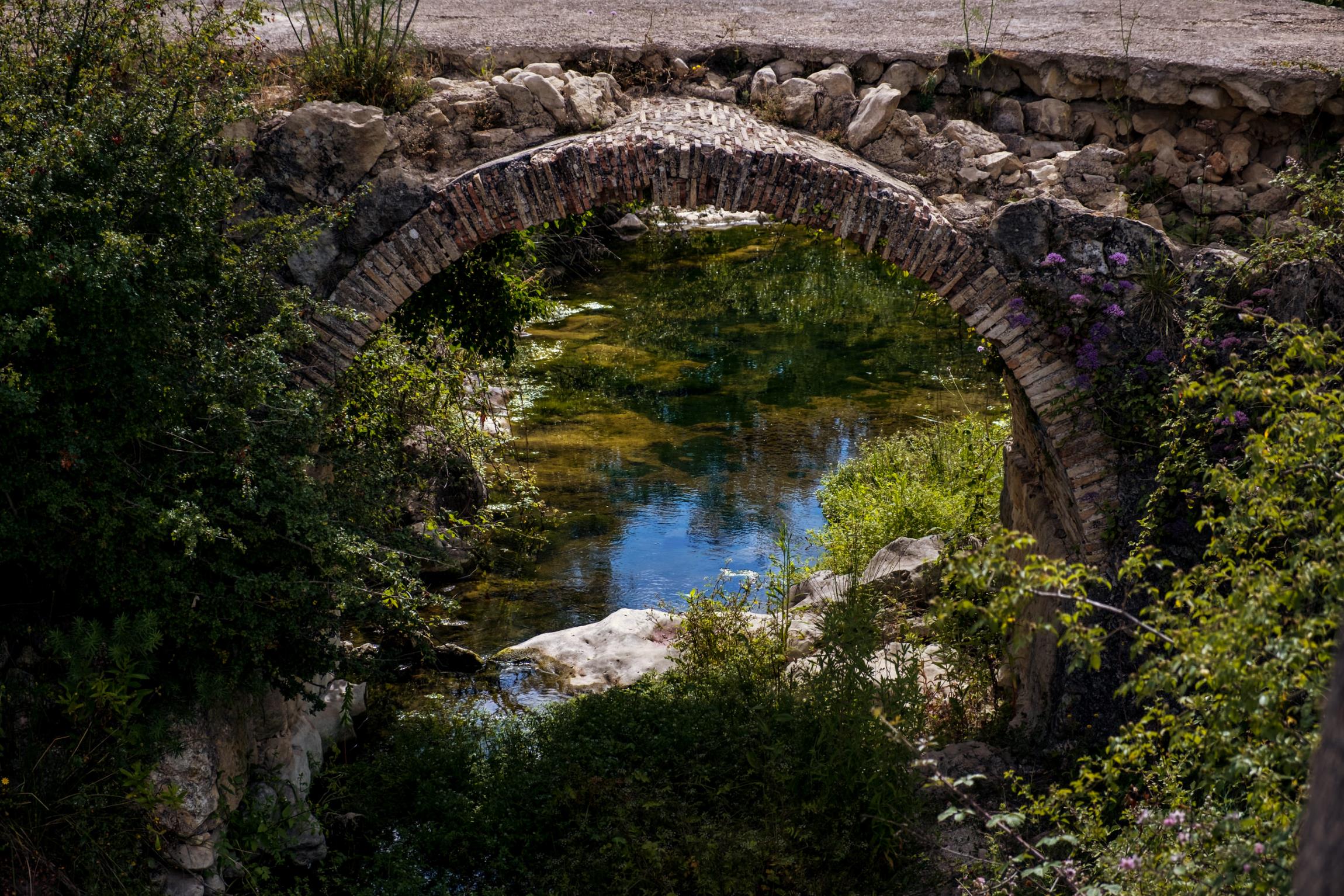
We can also take the opportunity to visit the village and sample the local cuisine, such as “minxos”. We start the route at the Town Hall square of Alcalá de la Jovada which, together with Beniaia, forms the Alcalá Valley. The importance of this valley lies in the fact that until a few years ago, it was thought to have been the site of the headquarters of the Arab vizier al-Azraq, who was the only Muslim leader to challenge James I during the conquest of the Kingdom of Valencia. The parish church was built in 1636, supposedly on the site of an old mosque. We head towards the remains of the old aqueduct, which brought water to the town. If we return to the village and head down towards the wash-house, we come across a bust of al-Azraq. Here was the Pilota Street and a large building that was Uncle Benent's tavern, a place where parties were held. Opposite the wash-house there is an olive press.
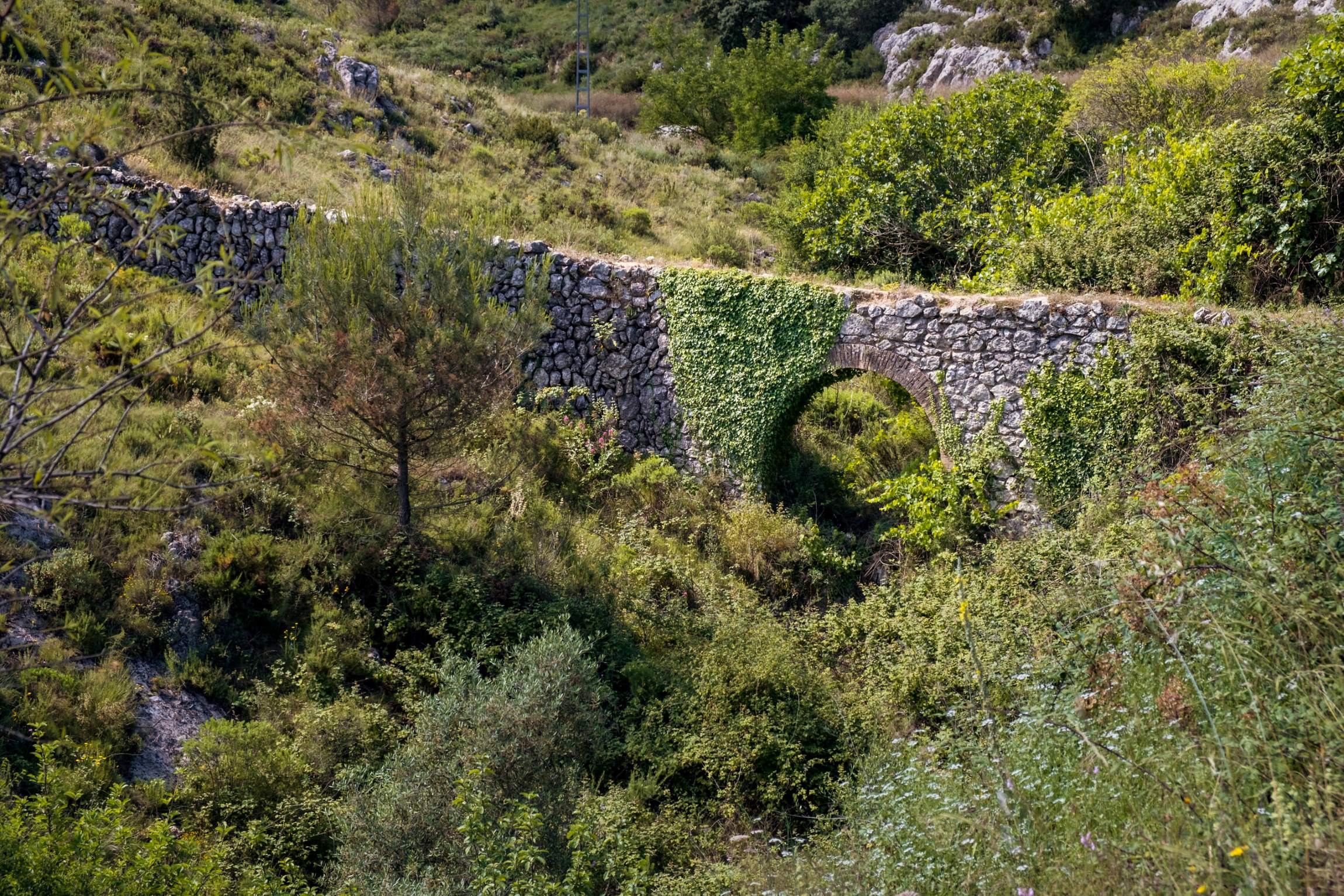
We continue towards the wash-house, built in 1928. At the end of the street stands a building that was once a water-powered mill and is now a house. Following a path, we arrive at the Baix Snow Store, a snow pit dating from the 17th century that was used to store snow between layers of straw. If we go to the Morisco hamlet of Atzubieta, it is worth knowing that the earliest documentary reference we have dates from 1356. Just before the expulsion of the Moriscos in 1609, it is estimated that 17 families lived there. After the abandonment, many villages like this were occupied by Christian families during the 17th century, and were abandoned again in the early 18th century, which led to them being used as barns until recent times. Today, this ghost village, along with others such as La Queirola, La Roca and Benialí, has been declared a Cultural Asset of Interest (BIC).
Calp
Stage 2: Feast of Mare de Déu del Carme
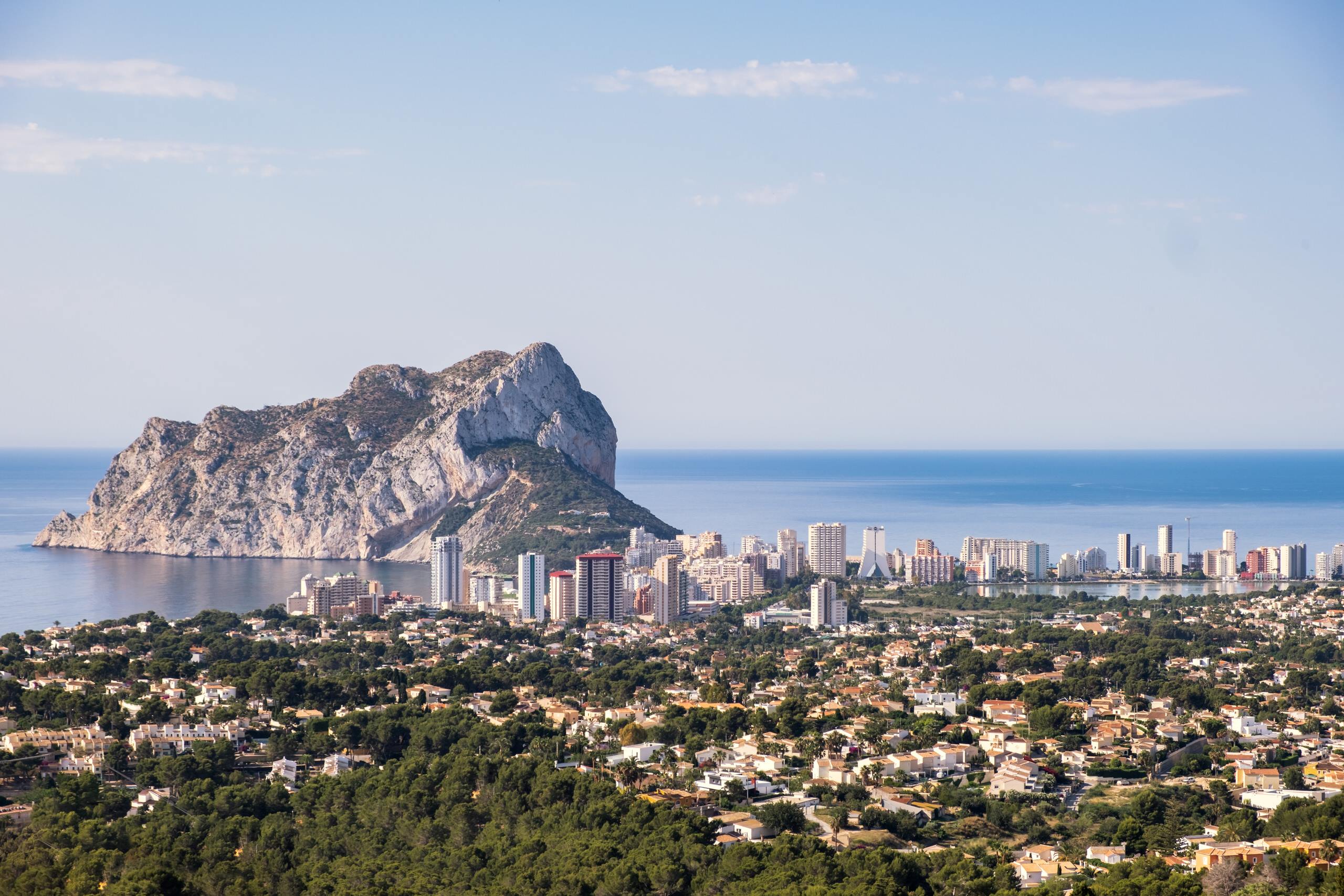
Calp is a town with a strong maritime tradition that underwent a significant tourist boom in the 1970s, which has led to the current extensive urban expansion that eventually linked the two traditional centres, the village and the port. For this reason, we have chosen the Feast of Mare de Déu del Carme, which begins on 16 July, the day of the patron saint of sailors. We can attend the procession's arrival at the port, accompanied by bagpipers. Afterwards, there is a firework display and dancing at night.
Taking advantage of the warm weather, we can go for a swim at Cantal Roig beach in the morning and in the evening we can take a stroll through the Penyal d'Ifach Natural Park. It is highly recommended to eat at a restaurant serving Calp fish. We especially recommend the llauna, a fish dish with potatoes and tomatoes.
Xàbia
Stage 3: Moors and Christians
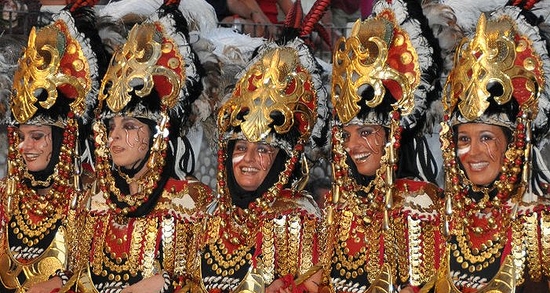
The Moors and Christians festivals of Xàbia are held, as is tradition, during the second half of July. This year, they fall on the weekend of 18th and 19th July. The location is the seaside neighbourhood of Duanes de la Mar. This great festival commemorates the history of the Christian conquest with parades, the landing and the capture of the castle. The most spectacular features are the costumes of the Moorish and Christian troops and the music of the Marina Alta bands that accompany each of them.
We can also take the opportunity to visit this seaside neighbourhood. The origins of the port date back to the 15th century. It grew in subsequent centuries until the 19th century, when it prospered with the export of cured tuna. Around the port, a neighbourhood with a distinctly maritime character developed, with whitewashed, single-storey fishermen's cottages and narrow streets. The charm of this neighbourhood is enhanced by the sculptural silhouette of the Church of Our Lady of Loreto, inaugurated in 1967, an important example of avant-garde religious architecture, which stands out for its bold design of its lines and its conception of space.
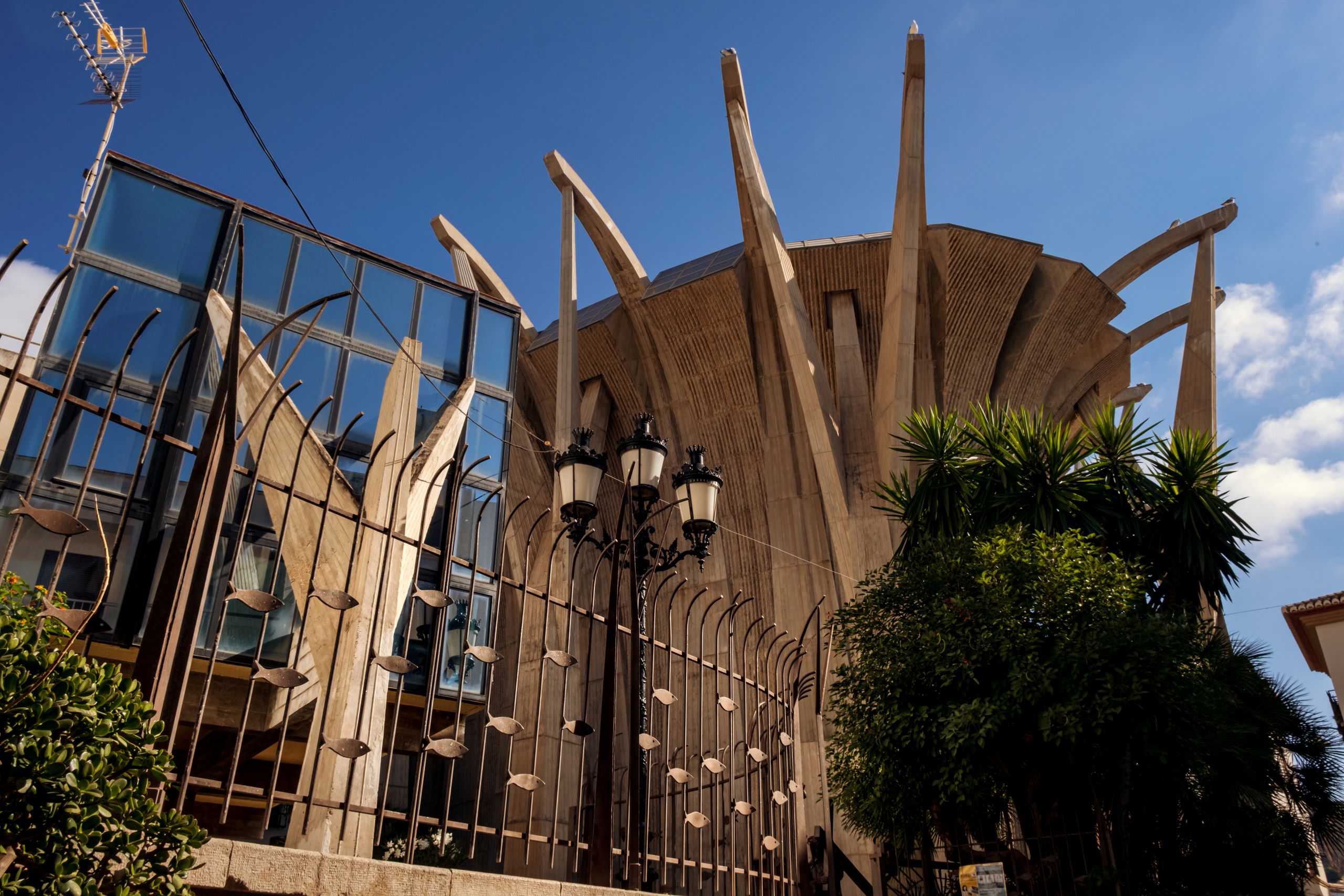
Another building worth highlighting in the port is the Cable House (1860), of which only the pillars of the granary remain; it has been refurbished as an exhibition hall. Duanes de la Mar is one of the liveliest neighbourhoods all year round. Among the streets, you can find all kinds of shops, restaurants and other services. The arrival of the boats, the auction and subsequent sale of fish at the fish market have become a must-see attraction for our visitors. Next to the port, the Nautical Club offers various options for lovers of water sports.
Benitatxell
Stage 4: Santa Maria Magdalena
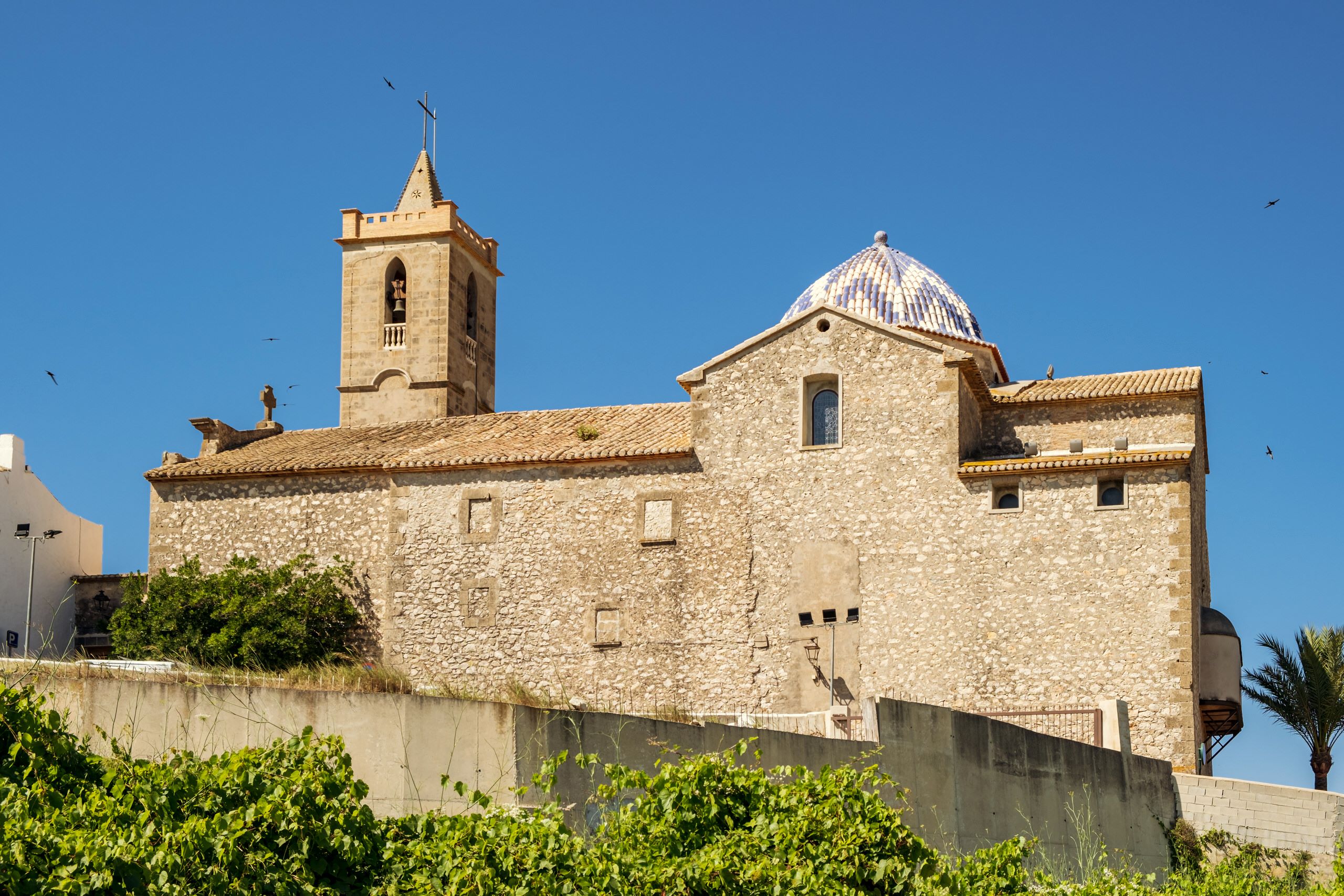
The main festivities of Poble Nou de Benitatxell are in honour of Saint Mary Magdalene and are celebrated during the last two weeks of July. Throughout these days there are all kinds of activities: dancing, communal meals, children's events and street bull-running, among others. You can consult the festival programme and attend the activities that interest you, but we recommend 22 July, the patron saint's day, to enjoy the music. In the morning, the band collects the festa-goers to the rhythm of pasdobles. At night, another parade of festa-goers gives way to a solemn procession. Afterwards, there will be fireworks and dancing in the square. You can see all this by walking with the musicians and festa-goers to the church. The Parish Church of Santa Maria Magdalena del Poble Nou de Benitatxell stands at the highest point of the town centre. In 1710, the old hermitage was destroyed and construction of the new temple began. The construction was very slow, especially at the beginning. It was completed in 1774. Archbishop Herrero erected it as an independent parish in 1902. In 1906, the temple's definitive expansion and ornamentation began, and it can be considered to have been completed with the construction of the current façade (1953) and the installation of the clock on the belfry (1961).
Campell
Stage 5: Santa Anna
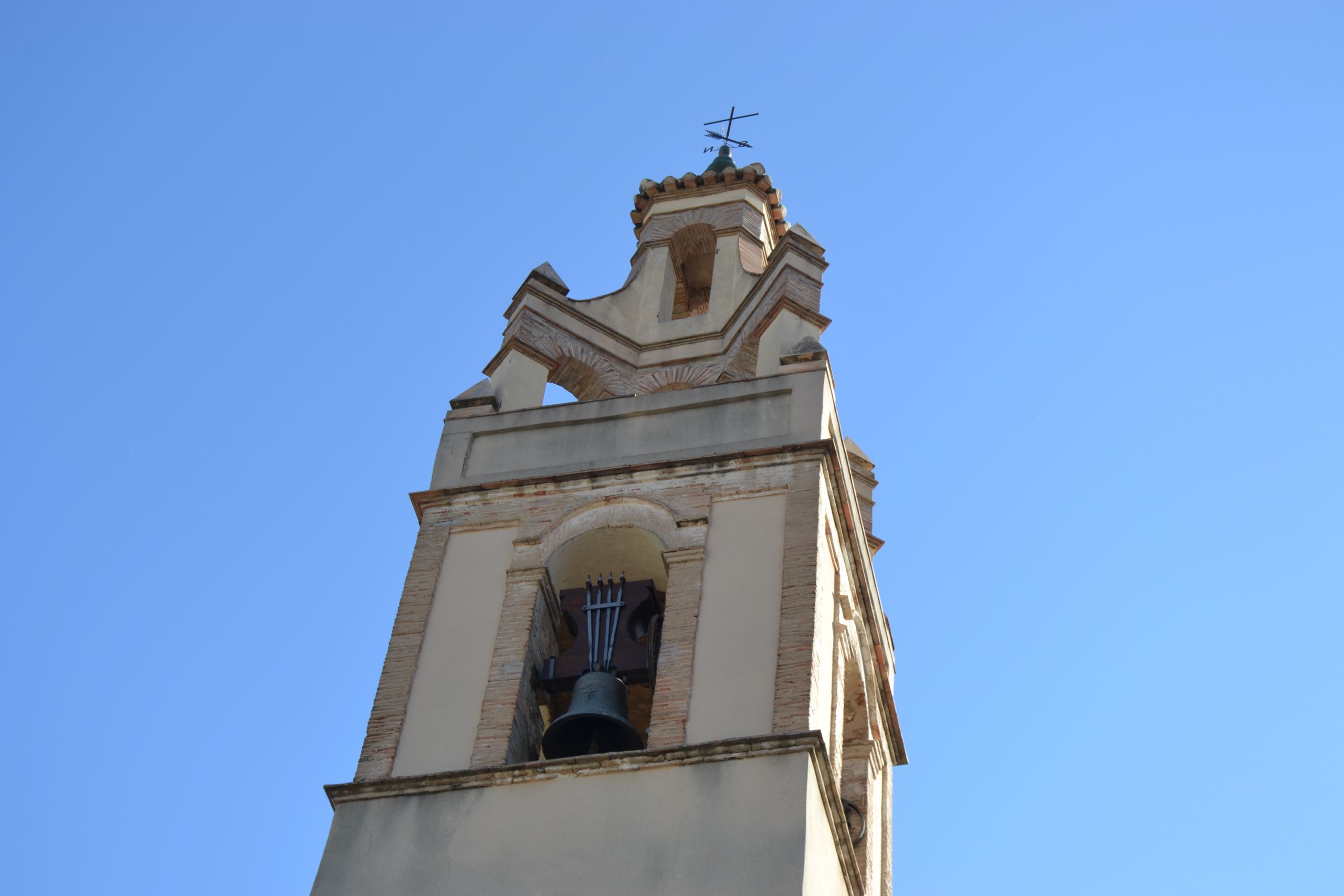
The Vall de Laguar is located in a very mountainous area, in the interior of the region, in the upper course of the Girona River. It is considered one of the four Valls de la Marina and is made up of three towns that form a single municipality: Campell or Poble de Baix, Fleix or Poble d'Enmig, and Benimaurell or Poble de Dalt. The patron saint of Campell is Santa Anna, with the most important day being July 26. If we go on this day we will have the opportunity to enjoy a little bit of everything: processions and parades of the partygoers, popular games, dinner and dancing. We recommend tasting the typical sausages and visiting the church of Santa Anna. The temple has a facade topped with curvilinear molding. The bell tower is located on one side of the main facade of the church. It is square in plan and has three sections. The first has a bricked-up window, possibly intended for the bells and used to place the clock face. A simple molding separates the first from the second body. This has four windows with semicircular arches and combines the exposed wall with the exposed tile. The third body has two heights with an arch on each side. The first has arches arranged diagonally and, the second, finials and pinnacles. It has a hipped roof with a cross and weather vane.
*This experience is designed to be done in five stages, corresponding to five different days. We suggest some routes, but each person can adapt the experience to their abilities, physical stamina and interests. If you would like more information or places to visit in each town, you can visit the Descobrim la Marina Alta website and adapt the experience to your own tastes with your rucksack.
AND MORE. At the table and in bed at the first cry.
 Where to buy |  where to eat |
 where to sleep |  Activities and others |